
Share this story:
In the heart of Pittsburgh, where steel and spirit have long defined the city, a new kind of innovation is taking center stage, and it’s music to everyone’s ears! CBS News recently spotlighted a remarkable initiative at a local school where the majority of students hail from low-income families, yet the music program is thriving like never before. The mastermind behind this harmonious revolution? None other than the school’s forward-thinking superintendent, who has orchestrated a symphony of creativity and accessibility by turning to cutting-edge technology.
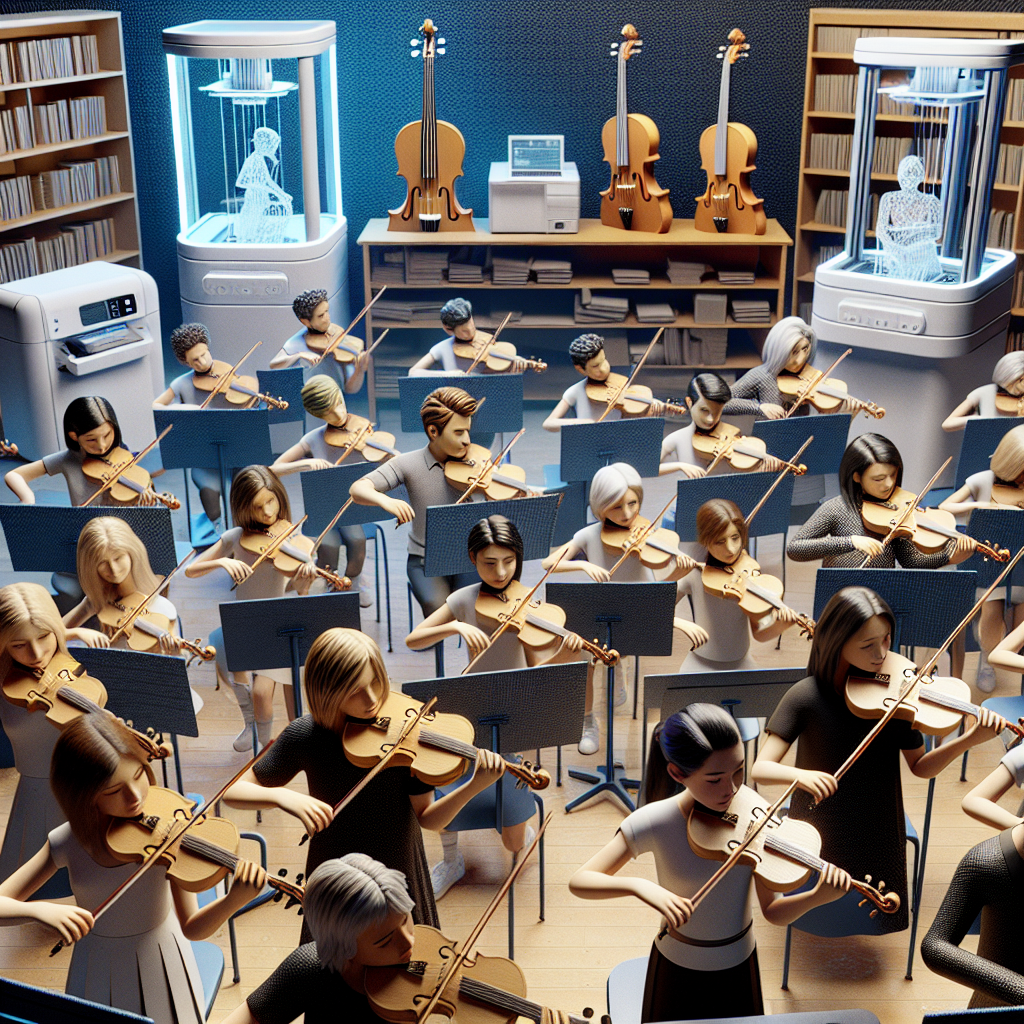
Recognizing that many families in the community could hardly afford the high costs associated with renting traditional musical instruments, the superintendent came up with a pitch-perfect solution: 3D printed violins. While these violins are made of plastic, don’t let that fool you—they produce a sound that’s more than good enough for budding musicians just starting to find their tune. Renting a traditional violin for a year can cost several hundred dollars, a luxury far beyond the reach of most families in the area. However, by utilizing the power of 3D printing, these violins are being crafted for a mere $50 each, opening the doors of music education wide open.
Over the past five years, this innovative program has produced more than 200 violins, ensuring that any student with a passion for music has the opportunity to learn and grow. The impact on the students and the community has been profound, as children who might have otherwise never had the chance to play an instrument are now able to explore their musical talents. The initiative not only provides these young maestros with the tools they need but also instills a sense of pride and possibility within the community.
This groundbreaking approach to music education is striking a chord beyond Pittsburgh, serving as an inspiring example of how technology can be harnessed to bridge gaps and create opportunities. As the sweet sounds of 3D printed violins fill the halls of this Pittsburgh school, one thing is clear: the future of music education is being printed right before our eyes, and it sounds simply magical.