
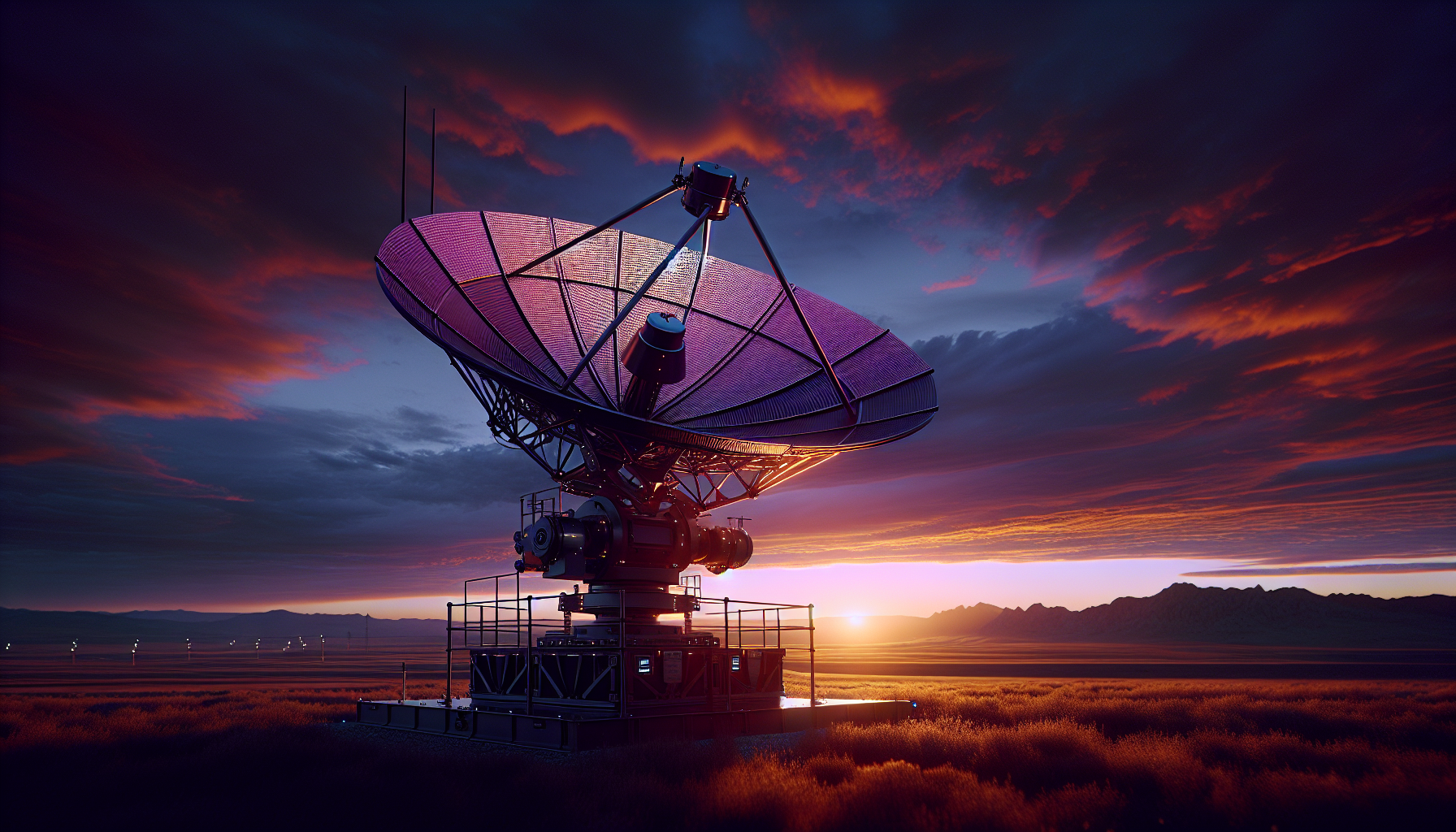
Exploring the AERIS-10: An Open Source Radar with Exceptional Range
In the ever-evolving field of radar technology, open source radar initiatives are emerging as a prominent force, making advanced radar capabilities reachable for enthusiasts, researchers, and various industries. One standout project in this domain is the AERIS-10, which is set to redefine our understanding of radar systems with its potential operational range of up to 20 kilometers. This advancement could revolutionize numerous applications, from advanced radio research to air defense.
What is the AERIS-10?
The AERIS-10 is a sophisticated phased-array radar system operating at a frequency of 10.5 GHz. This system offers flexibility in operational range, functioning effectively from 3 kilometers to 20 kilometers based on user requirements. It is available in two distinct configurations:
- Short-range version: This variant features an 8 x 16 patch antenna array, making it ideal for applications requiring closer proximity.
- Long-range version: With a robust 32 x 16 antenna array, this version extends its capabilities to reach up to 20 kilometers.
One of the most impressive features of the AERIS-10 is its capacity for fully electronic beam steering. Initially available in the azimuth direction, innovative modifications can add elevation steering, greatly enhancing its versatility for different uses. This adaptability is a core reason why open source radar projects are gaining immense popularity in the tech community.
Key Components of the AERIS-10
At the core of the AERIS-10‘s advanced design are several cutting-edge components that ensure optimal functionality:
- STM32 Microcontroller: This powerful component is responsible for data processing and overall system operations.
- FPGA: The Field Programmable Gate Array significantly enhances the system’s capabilities by managing complex signal processing algorithms.
- Clock Generators and Frequency Synthesizers: Essential for maintaining signal integrity and overall performance.
- Phase Shifters and ADCs: Critical for implementing beam steering and data acquisition functionalities.
The integration of these components transforms the AERIS-10 from a standard phased-array radar into a highly customizable platform adaptable for a range of applications, including maritime navigation, airspace monitoring, and weather observation. With increasing demands across these sectors, open source radar designs like the AERIS-10 herald a bright future for accessible radar technology.
The Importance of Open Source Radar Technology
As technology advances at a rapid pace, the open source radar movement signifies a transition toward democratizing sophisticated technology. By making powerful radar systems available from a wider pool of resources, this initiative fosters innovation and collaboration, tapping into the collective creativity of the global tech community. According to Scientific American, such open-source projects facilitate quicker development and troubleshooting due to the pooling of expertise from varied contributors.
Industries including defense, environmental science, and transportation stand to gain significantly from improvements in open source radar systems. Enhanced radar functionalities could lead to improved safety measures, increased transportation efficiency, and better risk management during unpredictable weather scenarios.
Join the Radar Revolution!
If you’re passionate about technology and radar systems, consider contributing to the open source radar movement. Whether you are an experienced developer or just starting out, opportunities abound for learning, collaboration, and innovation. Projects like the AERIS-10 promote experimentation, making them perfect for anyone eager to expand their knowledge in electronics and programming.
With the innovative capabilities of the AERIS-10, the outlook is promising for both enthusiasts and professionals in the realm of radar technology. As accessibility to this technology improves, we can anticipate a surge of inventive applications arising across multiple sectors.
Related Reading

Source: www.popculturenonsense.com