
Share this story:
Picture this: the tension in the courtroom is palpable, the air thick with anticipation as a Georgia jury hands over the verdict in a high-stakes murder trial. The defendant, Alton Oliver, a 26-year-old accused of killing an off-duty cop, stands at the center of it all. Allegations flew, with both sides entrenched in a fierce debate over whether it was a case of murder or self-defense. After three days of intense deliberation, the jury had finally reached a conclusion.
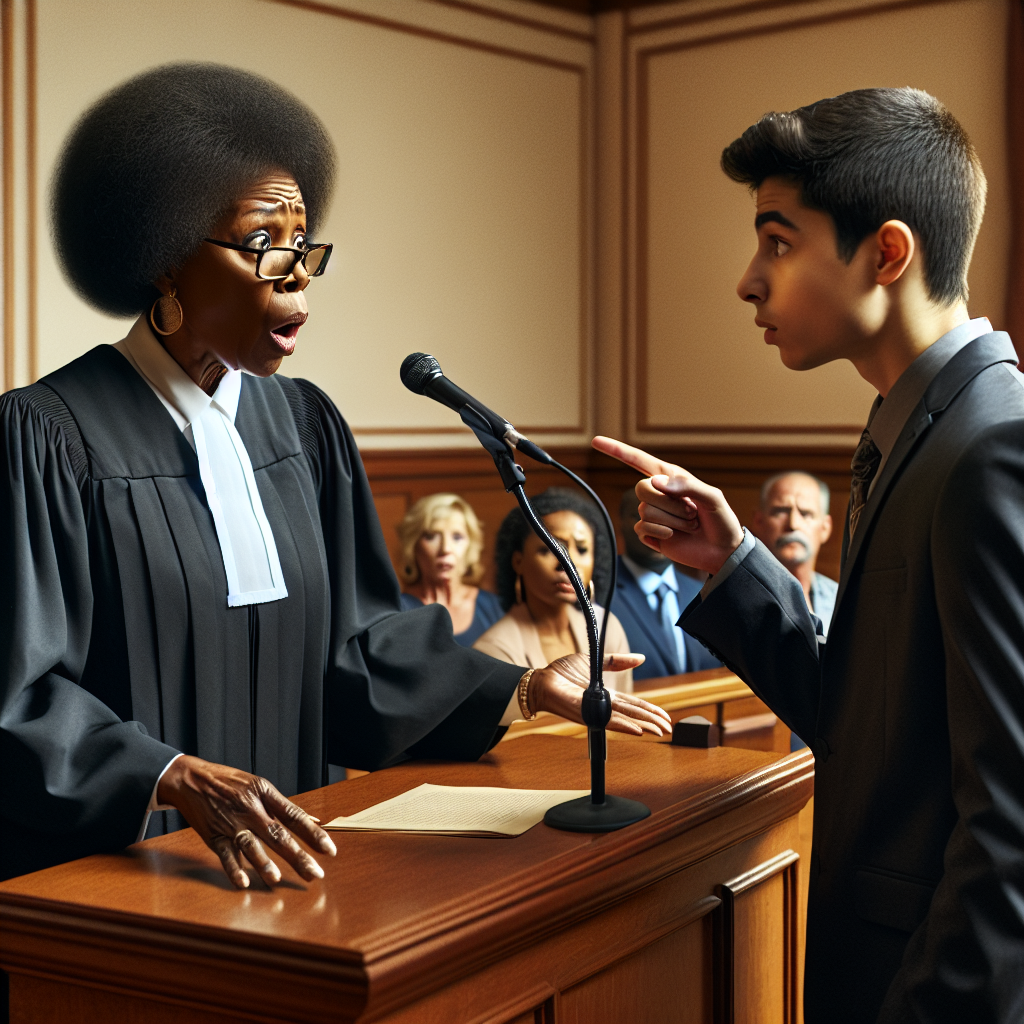
As the judge prepared to deliver the verdict, the room fell silent. Cameras captured every movement, every sound. And then it happened—a moment straight out of a legal drama, but entirely unscripted. The judge read out, “Guilty,” sending shockwaves through the courtroom and beyond. The tension escalated, hearts raced, and the room seemed to hold its breath.
But in a twist that only reality could deliver, the judge had erred. It wasn’t a guilty verdict after all. The correction came about 20 seconds later, thanks to a quick-thinking juror off-camera who pointed out the mistake. The judge corrected himself, stating “not guilty” on all counts. An audible sigh of relief swept through the room.
This courtroom flub has since become a viral sensation, lighting up social media and sparking conversations nationwide. But what really has people talking is the judge’s response to his blunder. With a chuckle, he dismissed the error with a casual, “I apologize for my mispronunciation.” The levity of his apology rubbed some the wrong way, igniting debates over courtroom decorum and the gravity of such a serious moment.
As Alton Oliver walked free, the incident served as a reminder of the human element in our justice system. In an era where every moment is captured and scrutinized, this courtroom mishap stands as a testament to the unpredictability of live proceedings. While the judge’s slip of the tongue was quickly corrected, its viral legacy will linger much longer.