
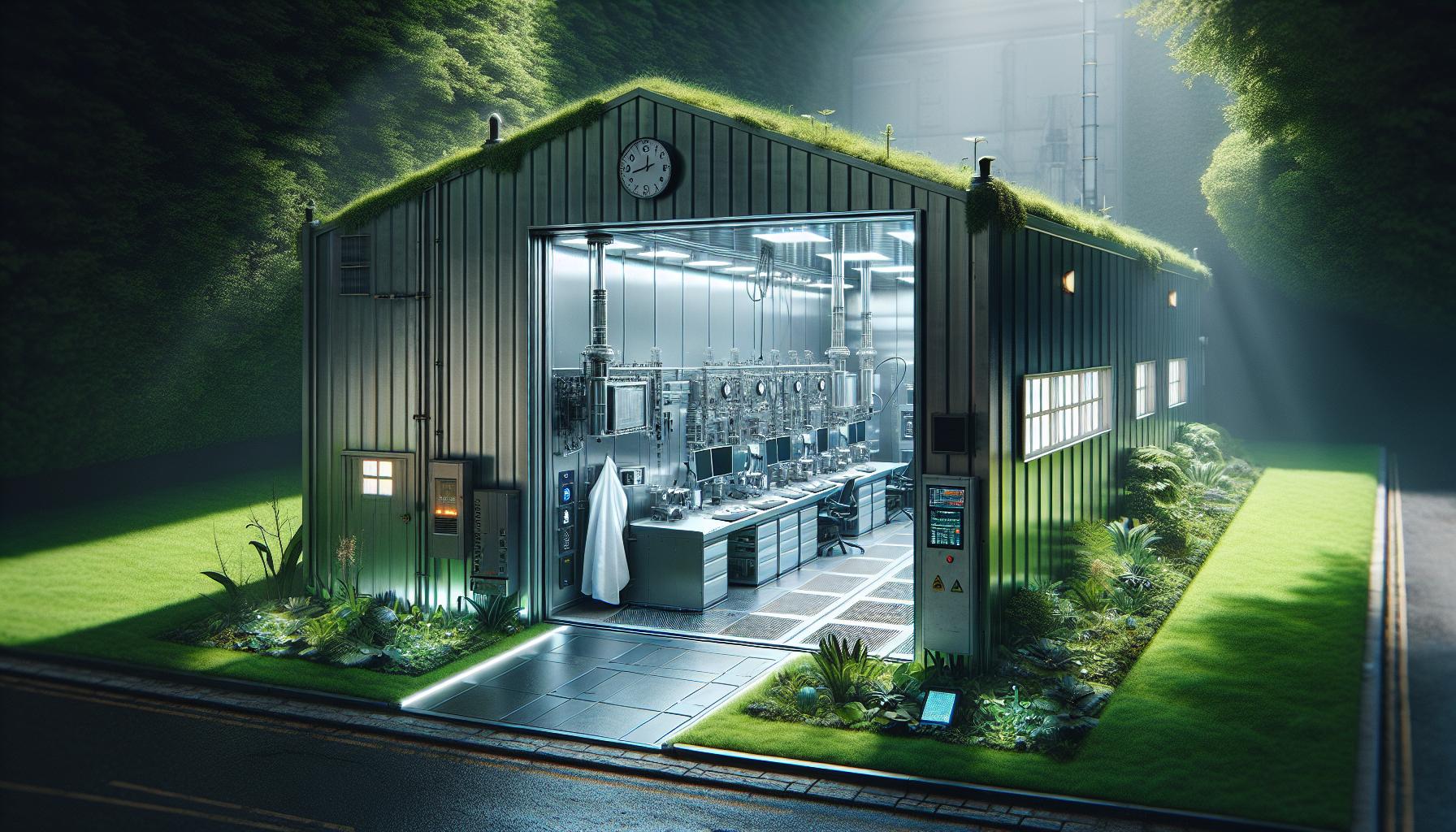
Transforming a Shed into a Class 100 Semiconductor Cleanroom
Many people view a garden shed merely as a spot for storing tools and seasonal decorations. However, for individuals like Dr. Semiconductor, it presents an exciting opportunity to build a Class 100 semiconductor cleanroom right in their own backyard. This unconventional project illustrates that even the simplest spaces can meet high industry standards, paving the way for innovative cleanroom facilities.
How a Class 100 Cleanroom Works
The essence of constructing a Class 100 semiconductor cleanroom revolves around the effectiveness of air filtration and the ability to maintain a controlled environment. The critical components involved include:
- HEPA Filtration: High-Efficiency Particulate Air filters are essential for capturing airborne particles, providing unparalleled cleanliness.
- Positive Air Pressure: This method ensures that clean air is consistently pushed inside the room, preventing unwanted contaminants from entering.
- Temperature and Humidity Control: An air conditioning system regulates environmental conditions vital for sensitive manufacturing processes.
In Dr. Semiconductor’s shed, the space was cleverly divided into two distinct areas. The first is a gowning room where individuals don cleanroom attire, a crucial step in minimizing contamination risks before entering the main cleanroom.
Building Specifications and Materials
The walls of this makeshift cleanroom are constructed from flame-resistant drywall and coated with smooth, water-based epoxy. These materials not only mitigate debris accumulation but also contribute significantly to maintaining a clean environment. Remarkably, the shed achieved an airborne particle count classification that qualifies it as a Class 100 cleanroom. It recorded 3,520 particles/m³ for particles larger than 0.5 µm, while standard room air is categorized as ISO 9, which contains approximately 35,200,000 particles/m³, illustrating the impressive capability of this DIY setup.
This rigorous approach highlights how determined DIY projects can lead to professional-grade outcomes in semiconductor research and development. As the demand for cleanroom facilities surges alongside the semiconductor industry growth, innovative solutions like this shed cleanroom are becoming increasingly relevant.
The Importance of Cleanroom Standards
Maintaining specific particle counts is vital for preserving the integrity of semiconductor production, as reported by NIST. Class 100 cleanrooms enable levels of cleanliness essential for the development of advanced electronic components. The rise of technological advancements is continually pushing the boundaries of what is achievable in electronics, and a well-equipped cleanroom is more crucial than ever.
By overcoming traditional limitations, innovators like Dr. Semiconductor show how personal investments can lead to significant breakthroughs in the field of semiconductor research, all from their backyards.
Conclusion
The ambitious project of building a Class 100 semiconductor cleanroom in an ordinary shed reflects the creativity and determination of today’s DIY enthusiasts. By adhering to stringent cleanroom standards, aspiring technologists can unlock opportunities for groundbreaking research and development right from home.
Related Reading

Source: www.popculturenonsense.com