
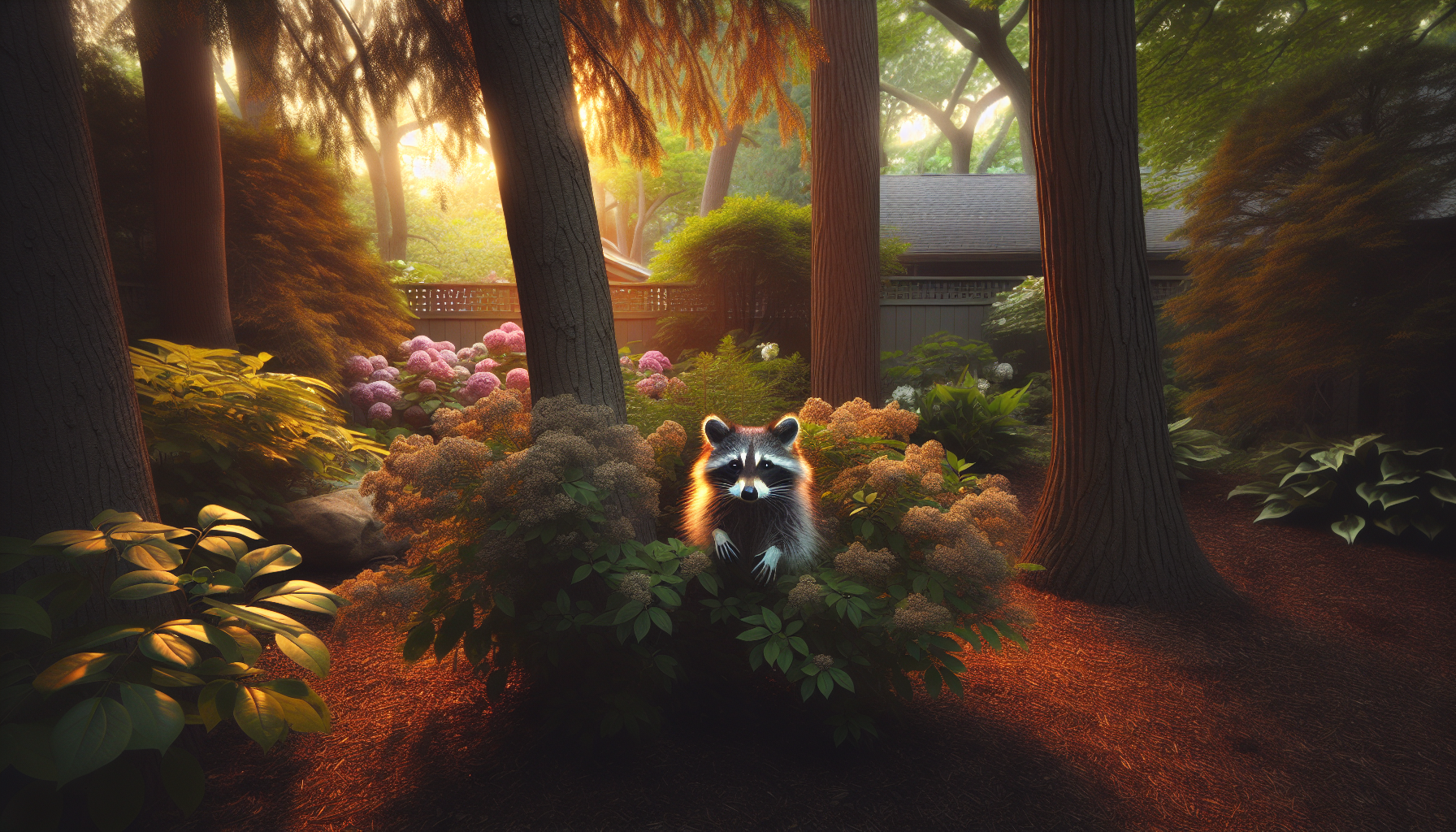
Your Next Pet Could Be a . . . Raccoon?
In recent years, raccoons have gained surprising attention as potential pets. Researchers from the University of Arkansas are shedding light on this curious phenomenon, suggesting that these wild animals are, in fact, inching closer to becoming domesticated. An intriguing study highlights that raccoons are physically evolving, with changes to their facial features making them look cuter—a factor that may influence human interactions significantly.
The Research Behind Pet Raccoons
The University of Arkansas’ Department of Biology conducted a study revealing that raccoons are undergoing physical changes as they interact more with humans. As they adapt to urban environments, their faces are becoming softer and more appealing. One biologist notes, “Once wild animals start spending time in the proximity of people, they become a little bit less afraid and perhaps even show signs of domestication syndrome.” This evolving appearance is not isolated to raccoons; other animals like foxes and urban dwelling mice are experiencing similar transformations.
Understanding Domestication Syndrome
Domestication syndrome refers to changes in a wild creature that occur as it becomes more accustomed to human presence. These changes typically include:
- Softer facial features
- Reduced fear of humans
- Behavioral modifications
However, it’s essential to understand that while these updates may make raccoons appear cuter, it doesn’t mean they are suitable as household pets. They may look adorable, but raccoons are known to be destructive and often require expansive environments to thrive in, which isn’t feasible for most pet owners.
The Risks of Pet Raccoons
Despite their growing popularity, it’s crucial to remember that keeping a raccoon as a pet comes with significant risks. Not only can they be aggressive, but they also have specialized needs that can make pet ownership challenging. In fact, in several jurisdictions, owning a raccoon is illegal due to their potential danger and health risks, including the transmission of diseases. According to the CDC, raccoons can carry rabies, making them a health risk for both humans and other pets.
Conclusion
While the concept of having a pet raccoon may sound appealing, considering the implications and responsibilities is vital. These wild creatures are not designed for domestication and require environments that mimic their natural habitats. If you are fascinated by cute animals, it’s best to stick with traditional pets that have been domesticated for generations.
Related Reading
- The Challenges of Owning Wild Animals
- What You Need to Know About Domestication
- Considering a Pet? What Are the Best Options?
