
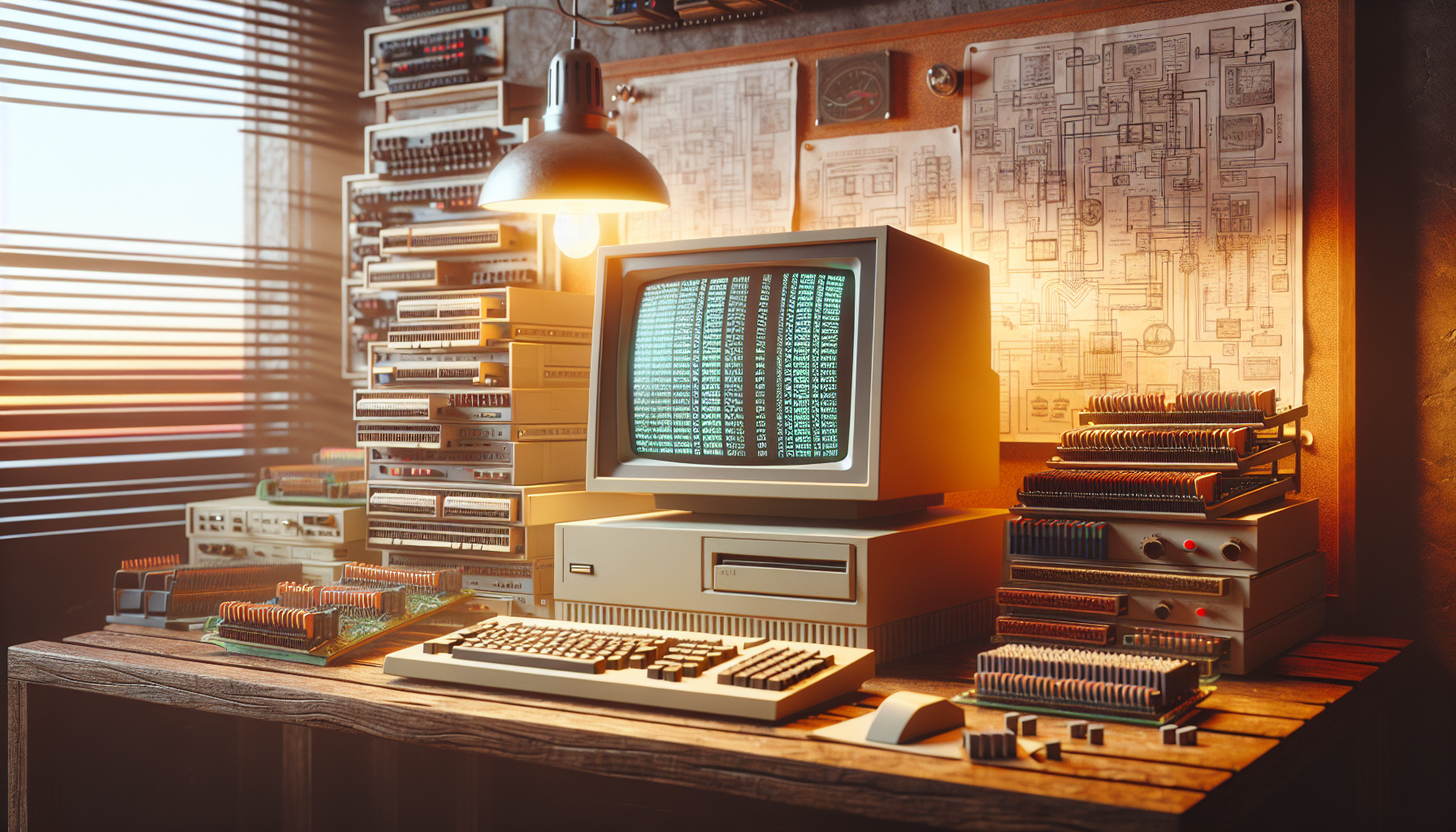
Porting MS-DOS 2.0 to the Apple IIe: An Inspiring Retrospective
The Apple IIe holds a special place in the hearts of retro computing enthusiasts. Its user-friendly interface and iconic design have rendered it a beloved machine for hobbyists and collectors alike. One of the more fascinating challenges currently underway is the porting of MS-DOS 2.0, allowing this classic machine to run software originally designed for a completely different architecture. This endeavor not only showcases the creativity of the retro computing community but also emphasizes the enduring passion for these vintage systems.
The Journey of Porting Begins
Enthusiasts like Seth Kushniryk have embarked on the journey to run MS-DOS 2.0 on the Apple IIe, a feat that typically involves integrating additional hardware, such as co-processor cards. Specifically, the Intel 8088-based AD8088 co-processor card from ALF Products enables the Apple IIe to execute programs intended for environments like CP/M-86 and MS-DOS. However, obtaining a legitimate copy of the original MS-DOS 2.0 software has been a significant hurdle, leading the team to consider alternate methods for porting this classic operating system.
Challenges in the Porting Process
Porting MS-DOS 2.0 to the Apple IIe presents numerous challenges. While the software does manage to boot on the system, multiple issues must be resolved for it to function effectively. One of the primary challenges involves facilitating seamless communication between the co-processor and the Apple IIe’s operating system. To address this, Seth has utilized the OEM Adaptation Kit that accompanied the original MS-DOS software, providing critical guidance during the porting process.
Another notable roadblock is synchronizing the system clock. The way that ProDOS encodes dates diverges from the methods used in MS-DOS 2.0, creating potential discrepancies in time management—a matter Seth is actively working to rectify. Compatibility with peripherals, such as the Super Serial Card, and the integration of the ProDOS filesystem with the ported OS also pose significant challenges.
Future Possibilities and Community Impact
As this exciting project progresses, a sense of nostalgia washes over many who engage with retro systems. A successful port of MS-DOS 2.0 could transform the usability of the Apple IIe, allowing a new generation to experience software long forgotten. The implications extend beyond just one operating system; the methods and insights developed through this porting effort have the potential to inspire future projects aimed at reviving other antique software systems. This endeavor nurtures a deeper appreciation for the history of computing while cultivating a vibrant community of developers and enthusiasts committed to celebrating and breathing new life into legacy machines.
Learn More About Tech History
For those interested in exploring the broader context of this venture, consider visiting the Computer History Museum to dive into the legacy of systems like the Apple IIe. Additionally, the Wired Tech Archives provide extensive insights into technological advancements.
Conclusion
The endeavor to port MS-DOS 2.0 to the Apple IIe is a captivating intersection of nostalgia and innovation. Enthusiasts like Seth not only keep the spirit of computing history alive but also enrich our understanding of these machines’ stories. The journey of MS-DOS 2.0 on the Apple IIe provides an ongoing narrative that invites participation from both seasoned developers and casual users alike, making it a tale worth tracking.
Related Reading
- A Brief History of the Apple IIe
- Exploring MS-DOS Legacy Software
- The Impact of Retro Gaming on Modern Technology
Source: www.popculturenonsense.com