
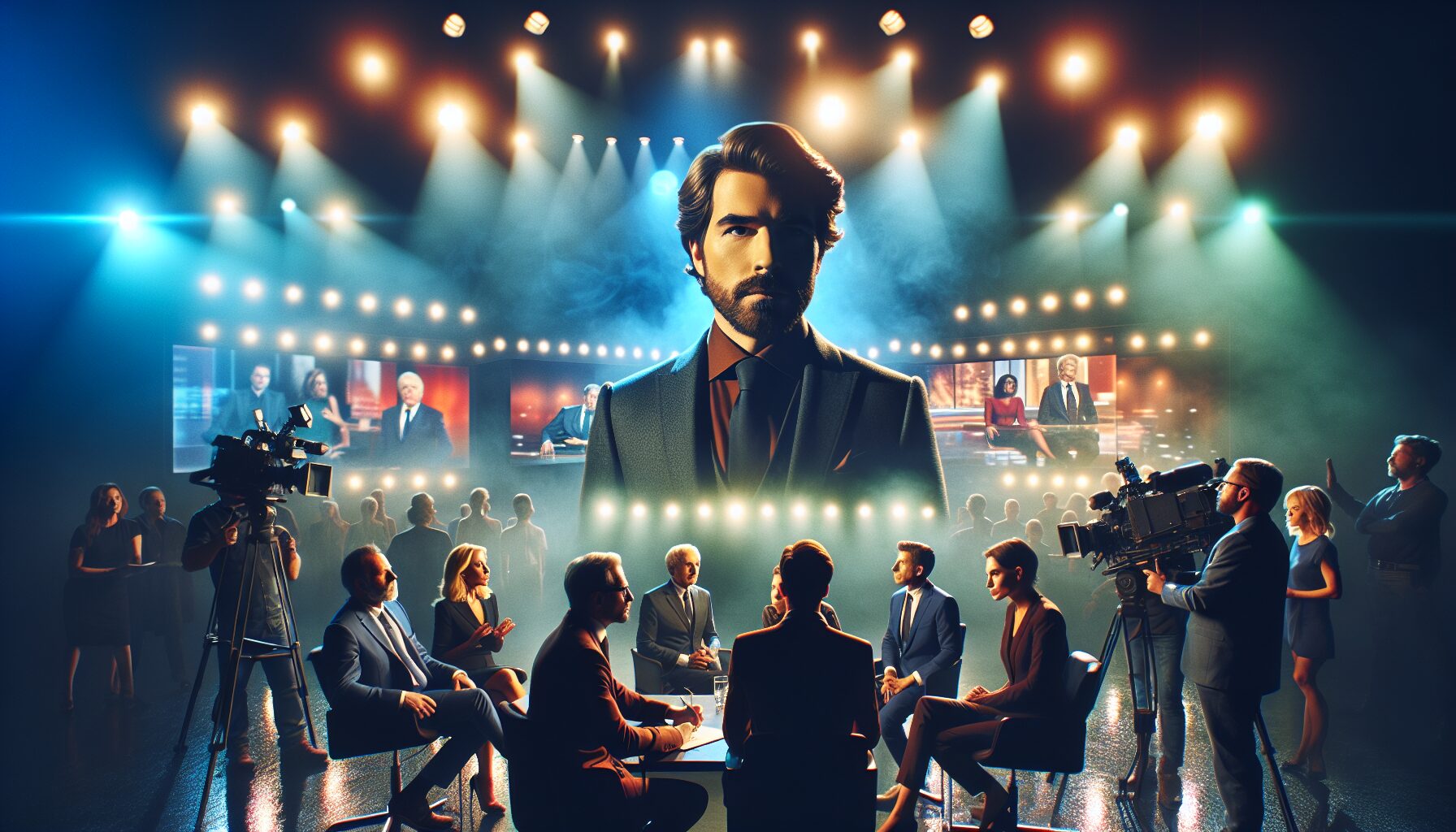
Taylor Sheridan’s Unique Approach to Criticism in Television
Taylor Sheridan, the creative force behind Yellowstone and Landman, has initiated a profound conversation about the role of critics in television. He openly embraces the reactions his storytelling provokes, believing that the more emotion his narratives elicit—from outrage to intrigue—the better for the visibility of his shows. In an industry bustling with content, Sheridan’s boldness and unique strategy have set a new standard for how creators can engage with critics and audiences alike.
Challenging Norms: A Strategy for Success
In a thought-provoking statement, Sheridan remarked, “I should have trigger warnings on my shows for TV critics or Hollywood executives, as what I create is intended to provoke.” This perspective underscores his fundamental belief that negative reviews can inadvertently serve as valuable promotional tools. When critics voice their displeasure, they often attract attention, leading to heightened viewer interest.
While many creators shy away from controversy, Sheridan thrives on it. His premise is simple yet revolutionary: “The madder you are, the more people will read your review.” This philosophy reflects a significant shift in the creator-critic dynamic, particularly in an age where social media amplifies polarized opinions. According to a recent article from the Hollywood Reporter, divisive reviews can indeed boost viewership, a phenomenon that Sheridan appears to exploit with great skill.
The Impact of Criticism
Criticism is not just noise; it can lead to increased visibility. Recent analyses show that shows receiving mixed reviews, especially those mixed with controversy, tend to attract larger audiences. Sheridan’s work exemplifies this; the mix of drama, tension, and compelling storytelling resonates with viewers, even while ruffling the feathers of critics. Ultimately, his approach keeps audiences coming back for more, regardless of critiques.
Why Controversy Captivates Audiences
One might question why a creator would intentionally aim to provoke critics and stir controversy. However, Sheridan clearly understands that such emotional upheaval can generate significant buzz. The more intense the reactions—be they anger or intrigue—the longer a show remains a topic of conversation among viewers. This insight highlights Sheridan’s deep respect for audience engagement and his astute understanding of modern media dynamics.
By crafting narratives that evoke strong emotional responses, Sheridan effectively channels dialogue into discussions that transcend mere entertainment, touching on societal issues and further enriching the viewing experience. This intentional provocation ensures that his shows stay relevant and engaging, inviting audiences to experience deeper themes while they grapple with their feelings about the content.
Conclusion
In the fiercely competitive world of television, where new shows constantly vie for audience attention, Taylor Sheridan’s method of provoking critics serves as a remarkable blueprint for success. By embracing controversy, he not only paves the way for greater popularity of Yellowstone and Landman but also challenges the very fabric of creative storytelling. As Sheridan continues to push the boundaries of what is expected in the industry, it will be intriguing to observe how his innovative methods evolve and what heights his future projects will reach.
Related Reading
Source: www.popculturenonsense.com