

The Debate on Sharing Toys: Navigating Children’s Playtime Etiquette
In recent years, the practice of sharing toys among children has sparked widespread debate—a discussion fueled by the varying opinions of parents, educators, and child development experts. One particularly viral story highlighted a woman’s controversial stance against the necessity of children sharing their beloved toys, igniting conversations about playtime etiquette and boundary setting. These discussions are crucial as they shape children’s experiences, especially in public spaces.
The Role of Toys in Public Settings
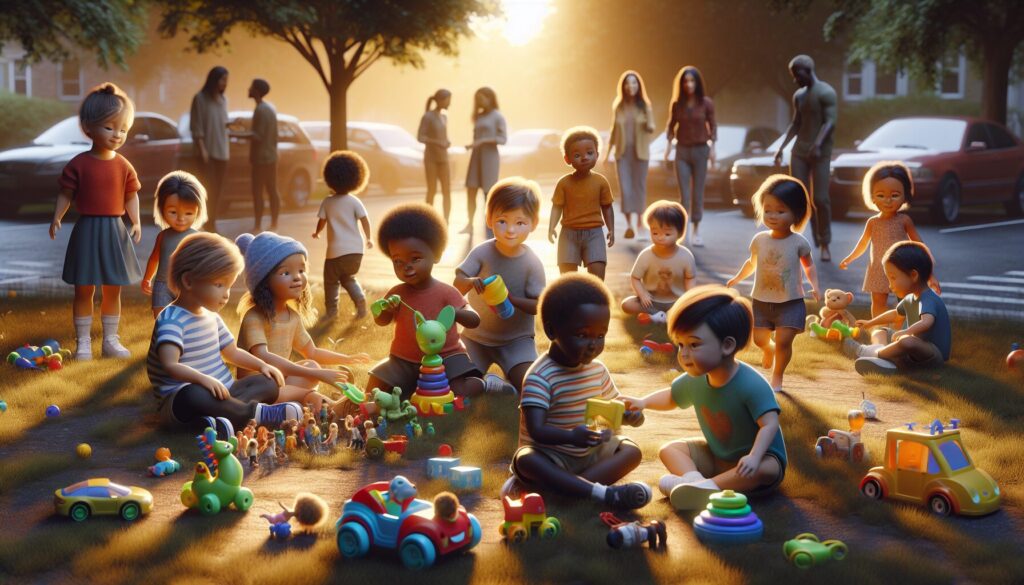
When children gather in places like parks or community events, they often arrive with their favorite toys in tow. The expectation for young ones to share toys can lead to tense situations, especially when the concept of ownership comes into play. Although sharing can foster camaraderie, it may also create potential conflicts when a child is not inclined to lend out their cherished belongings.
Research indicates that sharing toys can teach valuable lessons about cooperation and empathy. However, it’s important to recognize that it may also compromise a child’s sense of ownership. According to the National Association for the Education of Young Children, children who primarily play with their own toys often forge stronger emotional connections, as they learn to navigate feelings of attachment and independence. Therefore, finding a balance between encouraging the act of sharing and respecting a child’s right to ownership is essential for healthy child development.
Boundary Setting: A Key Parenting Strategy
Effective parenting strategies must include the establishment of boundaries around sharing and ownership. Childhood development experts suggest that parents should promote discussions with their children about why sharing is important, while still ensuring that kids feel secure about their toys. Here are some strategies to consider:
- Encourage children to vocalize their feelings regarding sharing toys.
- Help them recognize that it’s perfectly acceptable to have toys that are personal and not intended for sharing.
- Model positive sharing behavior during playdates and teach empathy towards other children’s feelings.
By implementing clear boundaries, parents can empower their children to navigate social interactions confidently, fostering respect for personal belongings and appreciating the emotional intricacies of sharing.
Teaching Playtime Etiquette in Public Spaces
Navigating public spaces also calls for lessons in essential playtime etiquette. Encouraging children to ask for permission before using another child’s toys—rather than assuming they can borrow them—creates a more respectful play environment. This practice not only nurtures consideration for others but also equips children with valuable interpersonal skills that will benefit them throughout their lives.
Nevertheless, there are instances in group play where sharing toys is necessary and beneficial. Therefore, both educators and parents should strive to find a harmonious blend of these approaches. Understanding the complexities inherent in the discussion of sharing will enable both children and their caregivers to navigate these social waters with greater ease.
Conclusion: Finding Common Ground
The ongoing conversation surrounding sharing toys touches on broader themes of ownership and cooperation in child development. As caregivers, it’s essential to model exemplary behavior and cultivate an atmosphere that acknowledges children’s feelings while promoting consideration for others. Ultimately, achieving a balance between sharing and respecting personal space can significantly enrich the play experiences of children in public settings.
Related Reading
Source: www.popculturenonsense.com